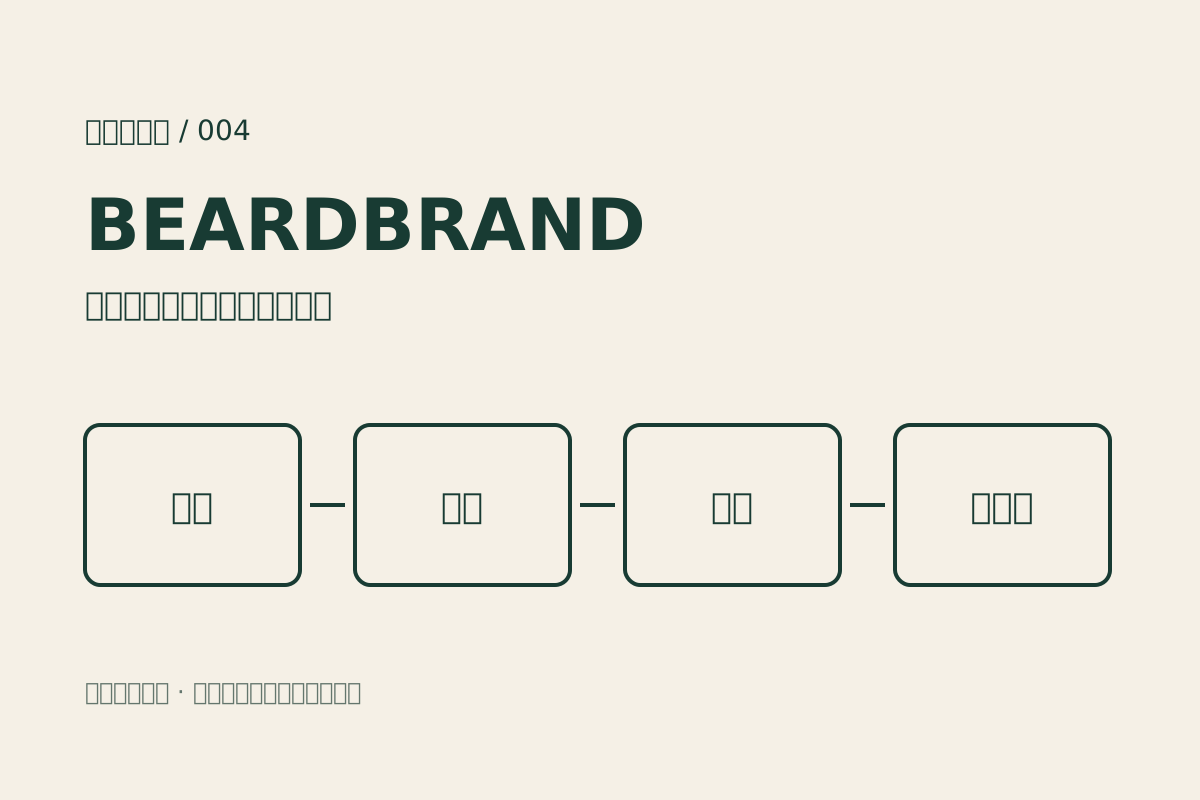
How far is a search for “how to use beard oil” from a purchase? Beardbrand puts instructions, product choices, and after-sales information on the same site. The useful idea is to connect a reader's next step to a recurring, real-life task.
Start with a grooming problem
Beardbrand sells products such as beard oil to people who want to care for their beards and hair and develop their personal style. On its about page, founder Eric Bandholz says that, while growing a beard in 2012, he was also looking for an image and career direction that suited him. The brand connects grooming with confidence and describes itself as bootstrapped.
In a 2016 plan, Eric recalled starting Beardbrand in 2012 and explained why the company invested in its blog, YouTube, podcast, and social channels: to keep offering grooming advice and style ideas. He also mentioned media exposure. These are historical accounts from the brand. We do not have evidence of where the first orders came from or what share each channel contributes today.
A guide connects use with choice
Its beard-oil guide explains how to apply the product, how often to use it, and suggested amounts for different beard lengths. It then offers a route to buy beard oil. Readers can understand the use case before deciding whether they need the product.
The product collection continues with usage information and separates the available scents. The guide answers how to use it; the store helps answer which one to buy. That route is visible on the site. The share of readers who follow it all the way to checkout would require internal data.
Free advice, paid physical delivery
The guide is free to read. The paid deliverable is a bottle of grooming oil. On the US dollar page checked September 23, 2026, Old Money Beard Oil showed a $29 price, an out-of-stock notice, and an option to receive restock alerts. The page listed two sizes, so choosing a different size could affect the price. We did not complete checkout. Product page
One detail deserves attention: the same page showed $9.67 per month beside an explanation that one bottle lasts about three months with daily use. It translated a bottle price into an estimated use cost. We did not verify an available subscription plan, so this case treats the sale as a one-time product purchase.
Replenishment depends on product and fulfillment
My judgment is that instructions can lower the barrier to first use, while a consumable product creates an opportunity for replenishment. That only works if the product experience and delivery support it. Public pages do not establish an actual repeat-purchase rate or profit margin.
The site's FAQ said orders ship from the US, generally need one to three business days for processing, and cost $7.99 to ship within the US. It also explained returns and damage in transit. A physical-product business must manage packaging, inventory, shipping, and customer support alongside its content.
One thing an individual can try
Pick a recurring task you know, such as cleaning coffee equipment. Spend two hours making one useful page: when to do it, how, what materials it needs, and how to tell when the job is done. End with three questions a reader might still have and invite feedback from existing readers.
The result is an actionable guide plus a record of real questions. If people then ask about choosing materials, having the job done for them, or buying refills, investigate an appropriate deliverable. Beardbrand's lesson for a personal site is to make each piece of content help someone do something specific, then see which next step they value enough to pay for.
English translation published October 19, 2026. The original Chinese study was published September 23, 2026; dated facts and prices above retain their original verification dates.