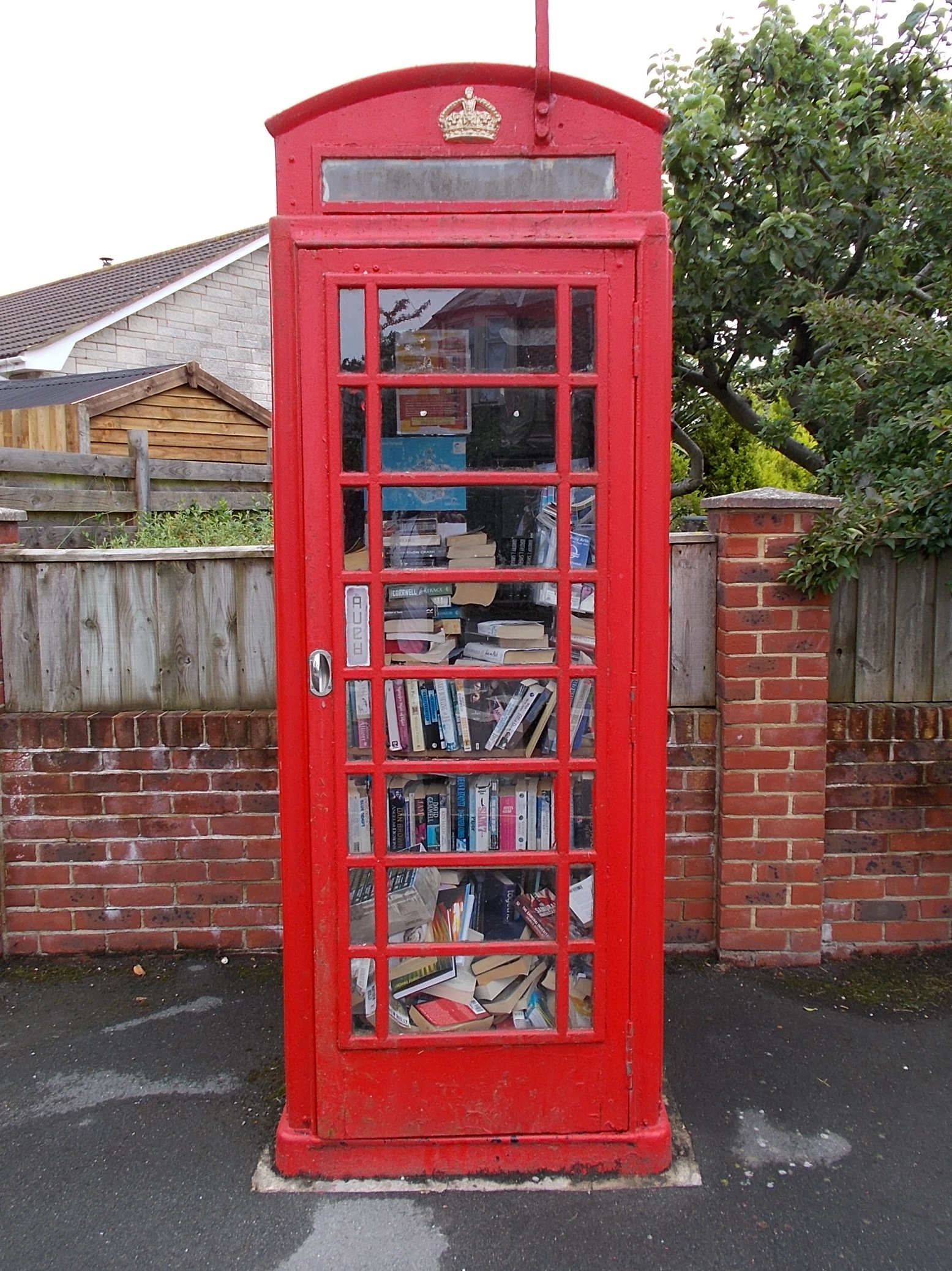
A phone box gives you a door, a roof and a very small public space. In Wonersh, England, residents gave that space a new purpose: somewhere to pick up a book.
On April 2, 2026, Wonersh Parish Council announced the opening of the book exchange. It had acquired the kiosk after BT decided to close its phone line the previous year. Local help supplied shelves, signage and a volunteer rota. [1]
The red kiosk in the cover photograph is another book-filled phone box, in Whitwell on the Isle of Wight, photographed in 2017. Wonersh’s own conversion is pictured in the council announcement. Both illustrate the same inviting change: a familiar door with something different behind it.
Shelves made the difference
The council's announcement gives the conversion a pleasingly practical cast of characters. A local contributor built the shelves. A sign maker donated the signage. Volunteers took on a rota for checking and tidying the box. [1]
See the actual book-filled telephone box in the council's announcement.
Those details explain much of the appeal. A small public space can become useful through a few well-chosen additions: somewhere to put the books, a clear explanation of what the space is for and people willing to look after it.
The transformation is immediately understandable. The structure keeps its recognizable shape while its contents tell passersby that something has changed.
The £1 idea behind many conversions
BT's Adopt a Kiosk scheme offers eligible phone boxes for community adoption for £1, subject to its review, availability and an agreement. Its process includes disconnecting the telephone before handing responsibility to the adopter. BT lists libraries, food banks and defibrillator sites among the uses communities have found. [2]
That £1 is the scheme's adoption price. A completed conversion also has practical work to account for, such as the shelves, signage and maintenance visible in Wonersh's story. The council announcement does not provide a total project budget or state what it paid for this particular kiosk. [1][2]
The useful lesson lies in the match between the object and the new activity. A book exchange can make use of an accessible little enclosure without requiring the footprint of a new building.
The books need looking after, too
Another council-run example, in Flitton, shows how these exchanges work after the initial transformation. Good Neighbour volunteers manage the telephone-box library on behalf of Flitton and Greenfield Parish Council. Its collection includes books for adults and children. [3]
The council also asks donors to keep loose books and bags off the floor, where they can become wet and damaged. When the shelves are full, people are directed to arrange donations through the volunteers. [3]
That everyday housekeeping is part of what makes an exchange usable. A shelf with enough room to browse invites a different experience from a floor piled with unwanted bags.
In Wonersh, the new shelves and volunteer rota give a retired kiosk a continuing role. Someone can bring a book they have finished and leave with another to read. The space once built for a short conversation becomes a place where stories keep moving between neighbors.