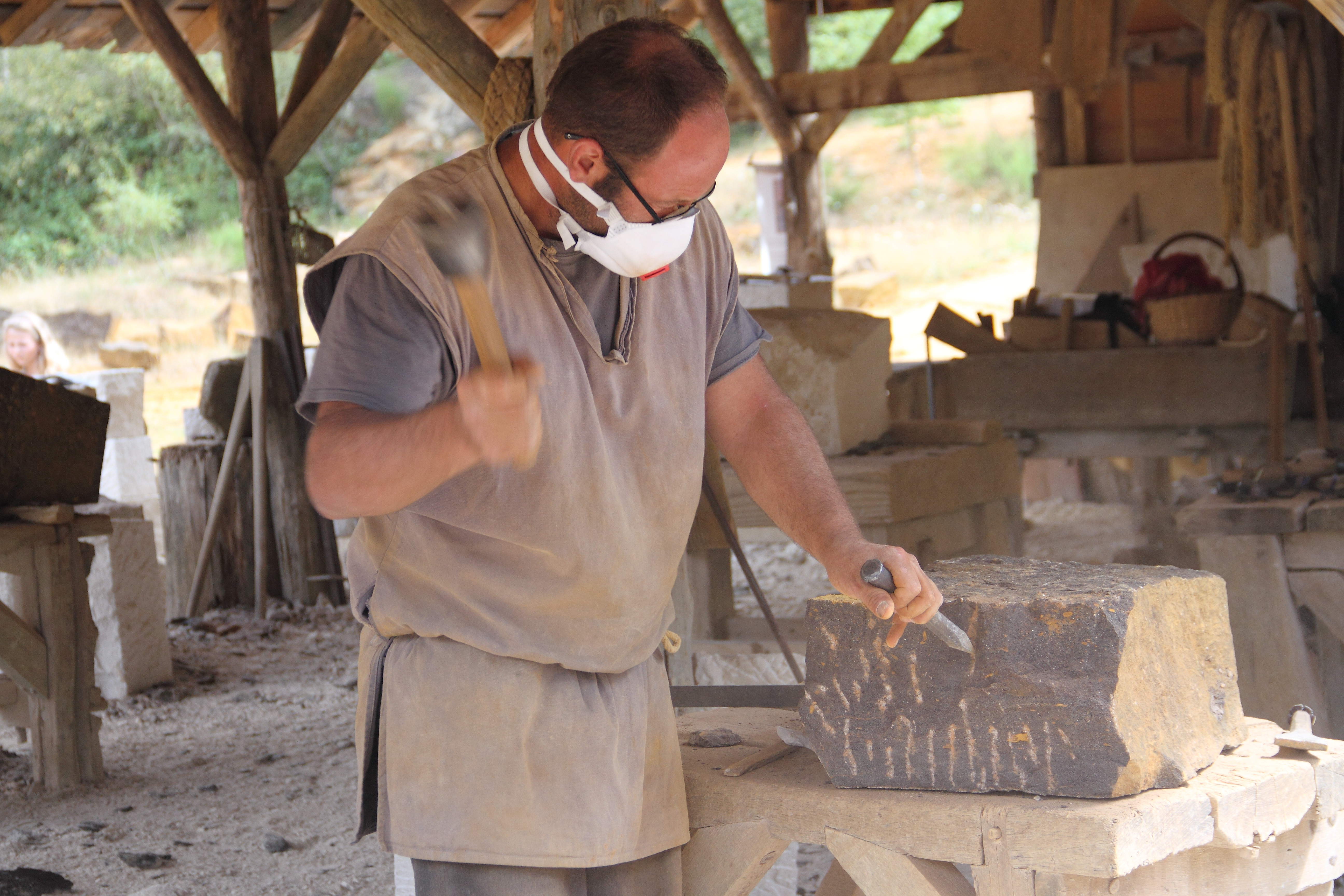
At Guédelon in France, working craftspeople turn stone, timber and earth into a medieval-style building experiment. One mason’s unfinished block shows why the process matters.
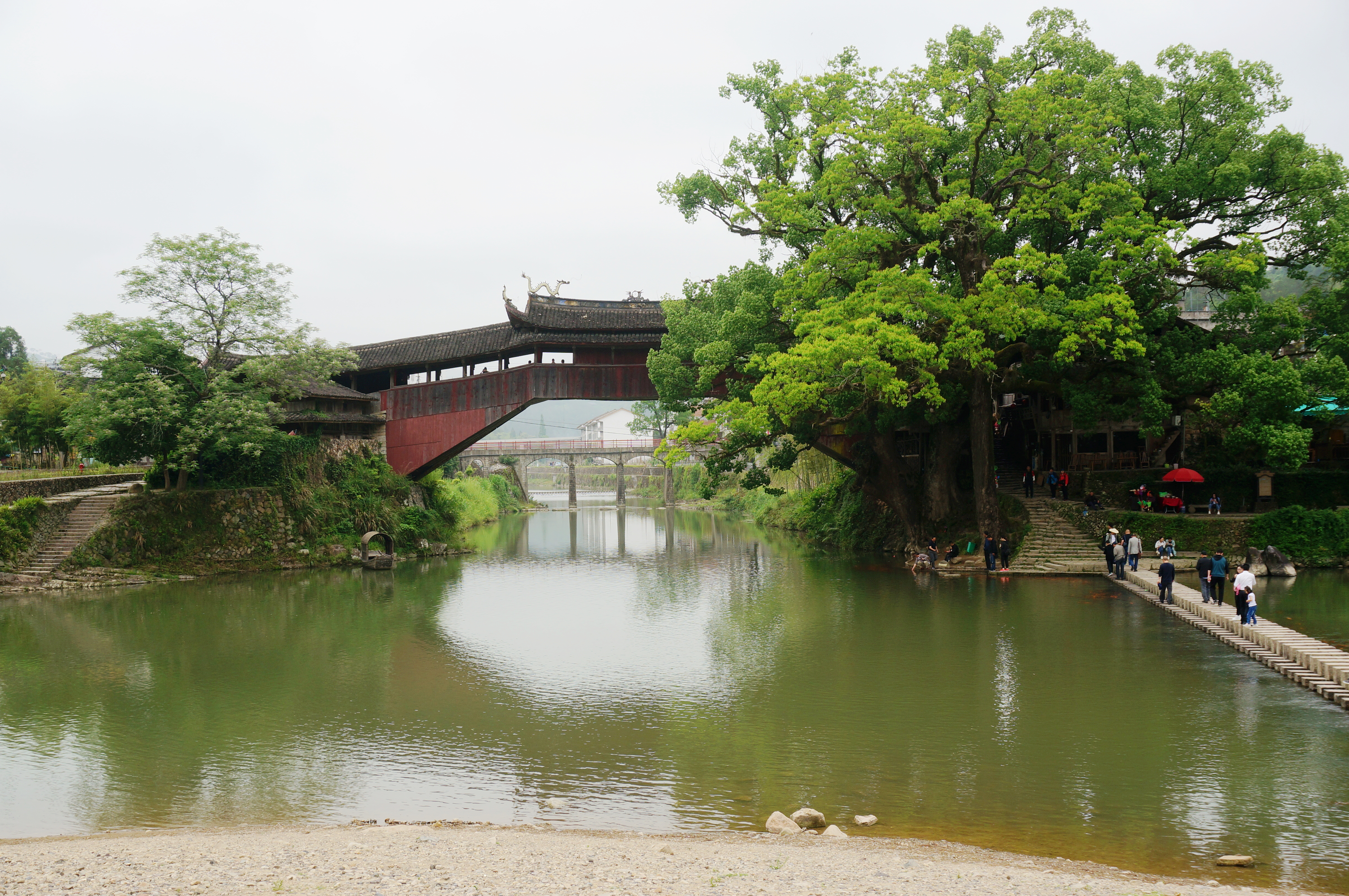
In southeastern China, a bridge-building tradition combines interlocking timber with knowledge passed from master carpenters to apprentices. The finished crossing can also be a place to gather.
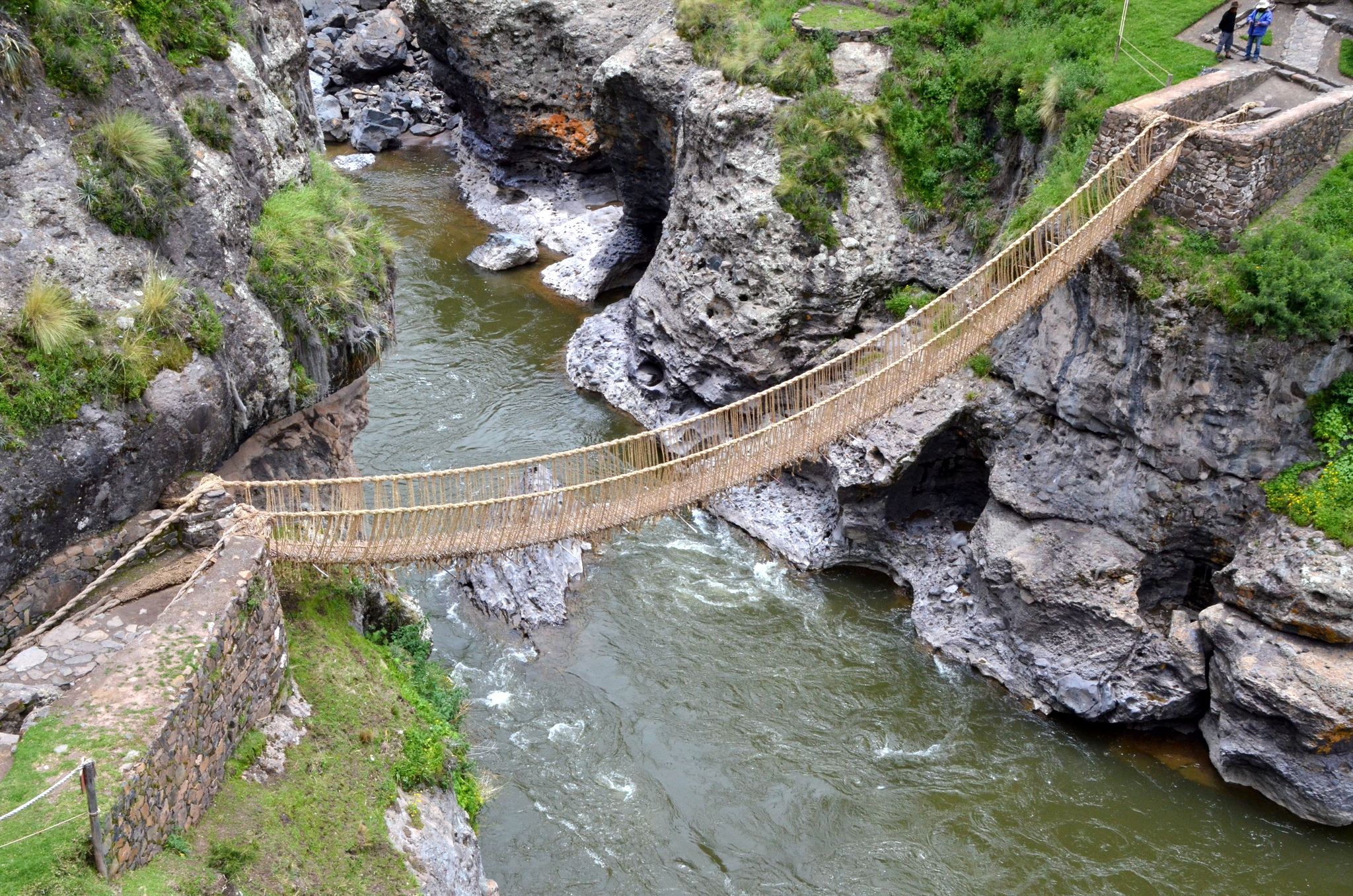
At Q’eswachaka in Peru, four Quechua communities renew a suspension bridge using braided plant fibres. The most remarkable part is the knowledge carried by its builders.
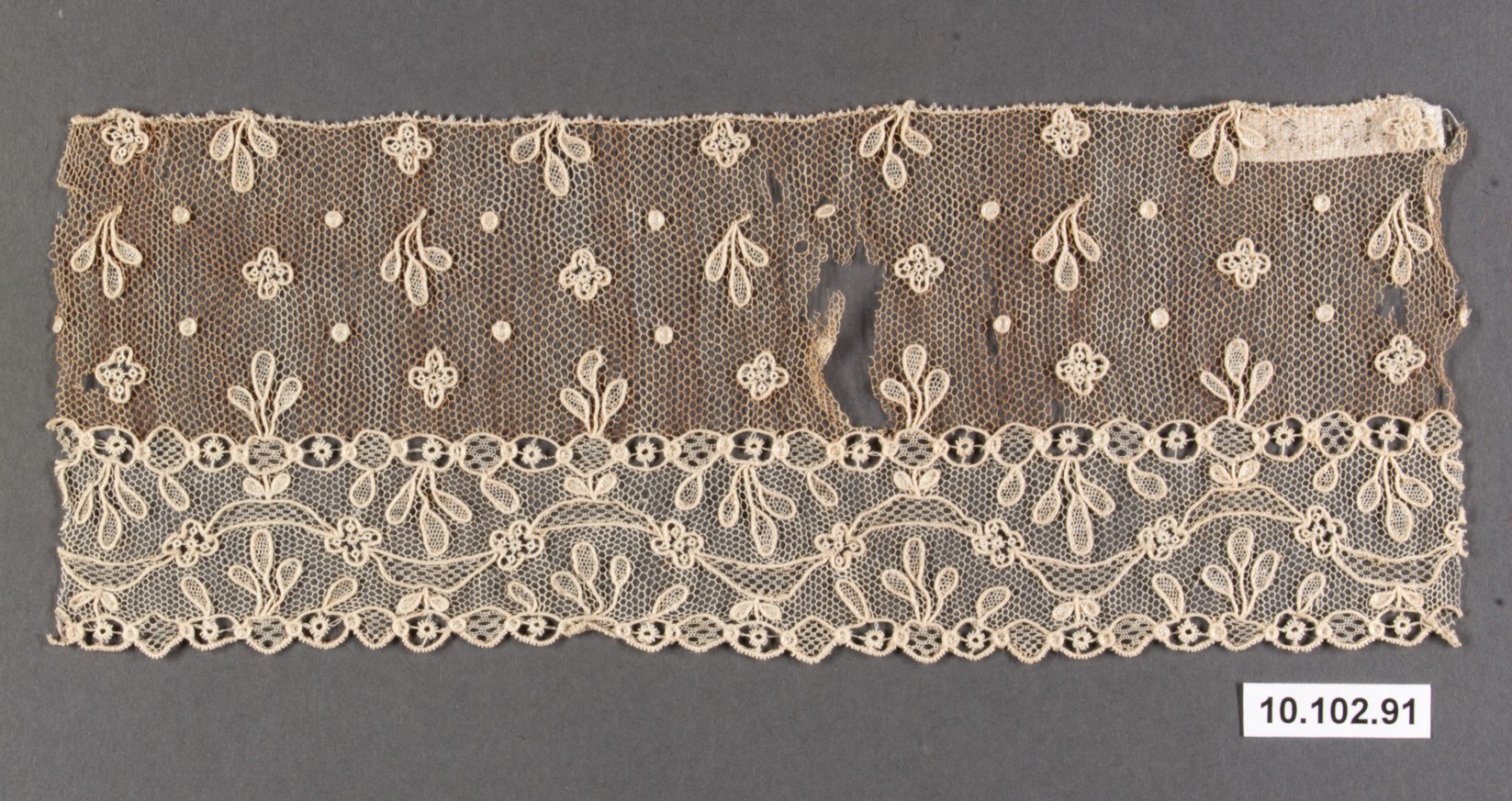
The Metropolitan Museum of Art, New York, USA; accession 10.102.91 · photograph date not supplied; object late 18th century. Photo: The Metropolitan Museum of Art · CC0 1.0. Source photograph retained without further edits; displayed proportionally.
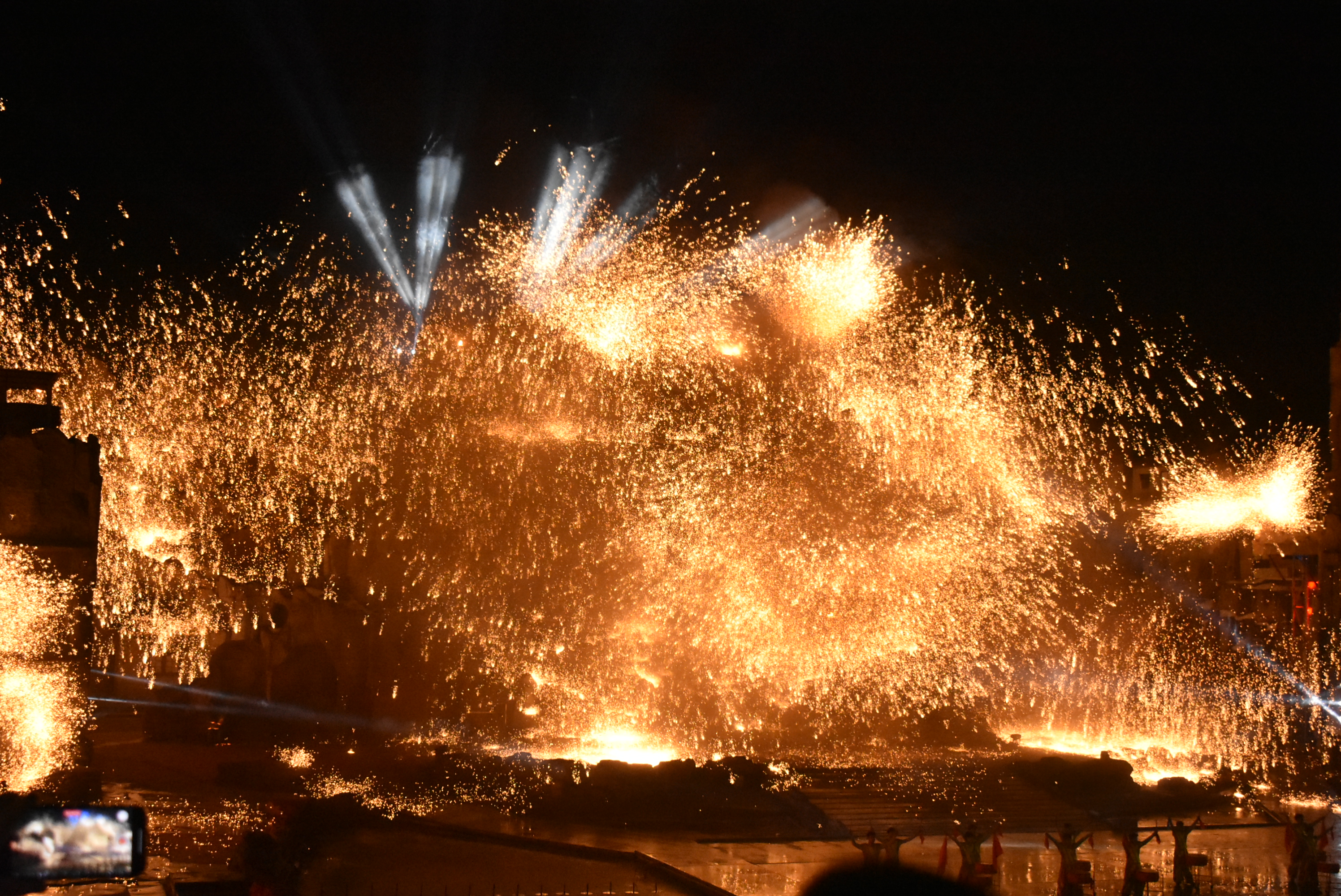
Chengdu, Sichuan, China; performers not identified · 2018-05-26. Photo: xiquinhosilva · CC BY 2.0. Original photograph, unchanged; displayed proportionally.
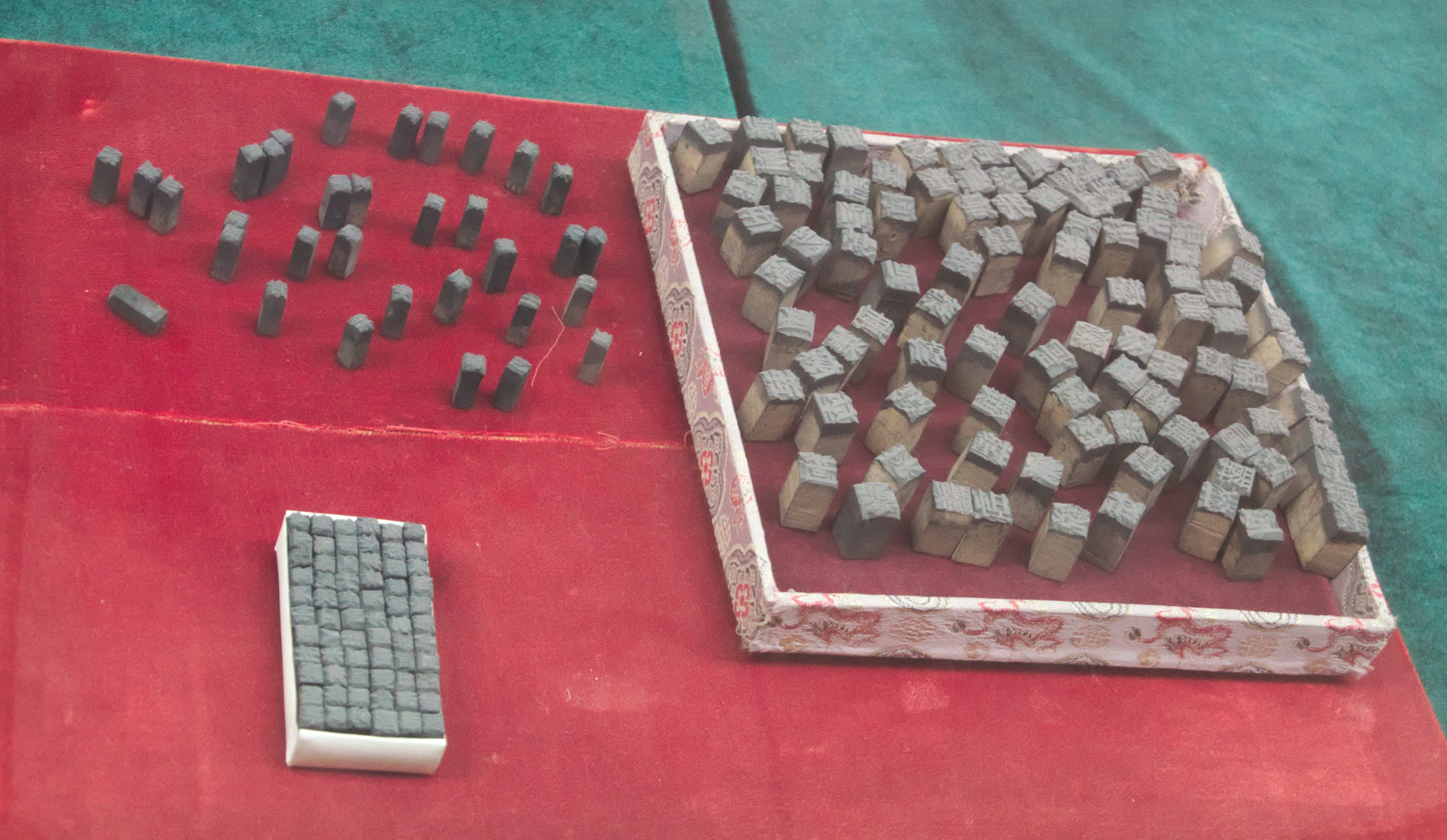
In Rui’an’s wooden-type tradition, a page is assembled piece by piece. The craft includes a surprisingly demanding task: retrieving the right characters from a vast physical collection.
China Printing Museum, Beijing, China — separate museum example from Rui’an · 2015-04-28. Photo: Popolon · CC BY-SA 4.0. Supplied photograph reproduced without further editing.
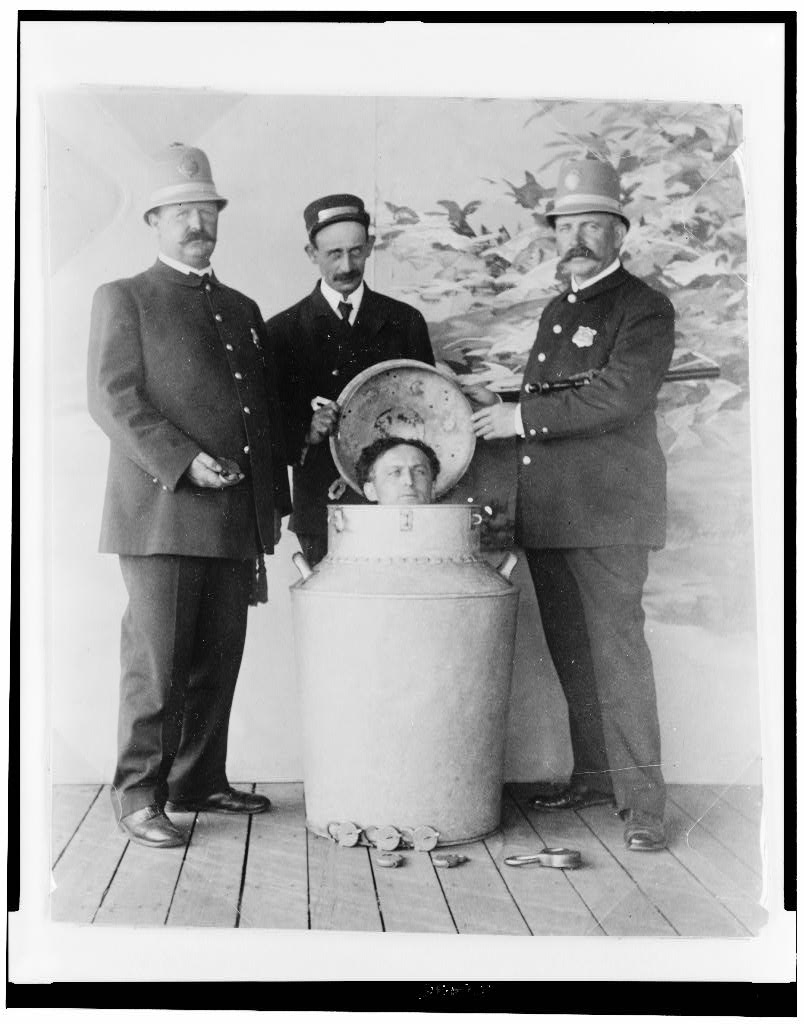
His head is above the rim. The lid is waiting beside him, and locks lie on the floor. In 1908, a water-filled milk can became part of Houdini’s escape act.